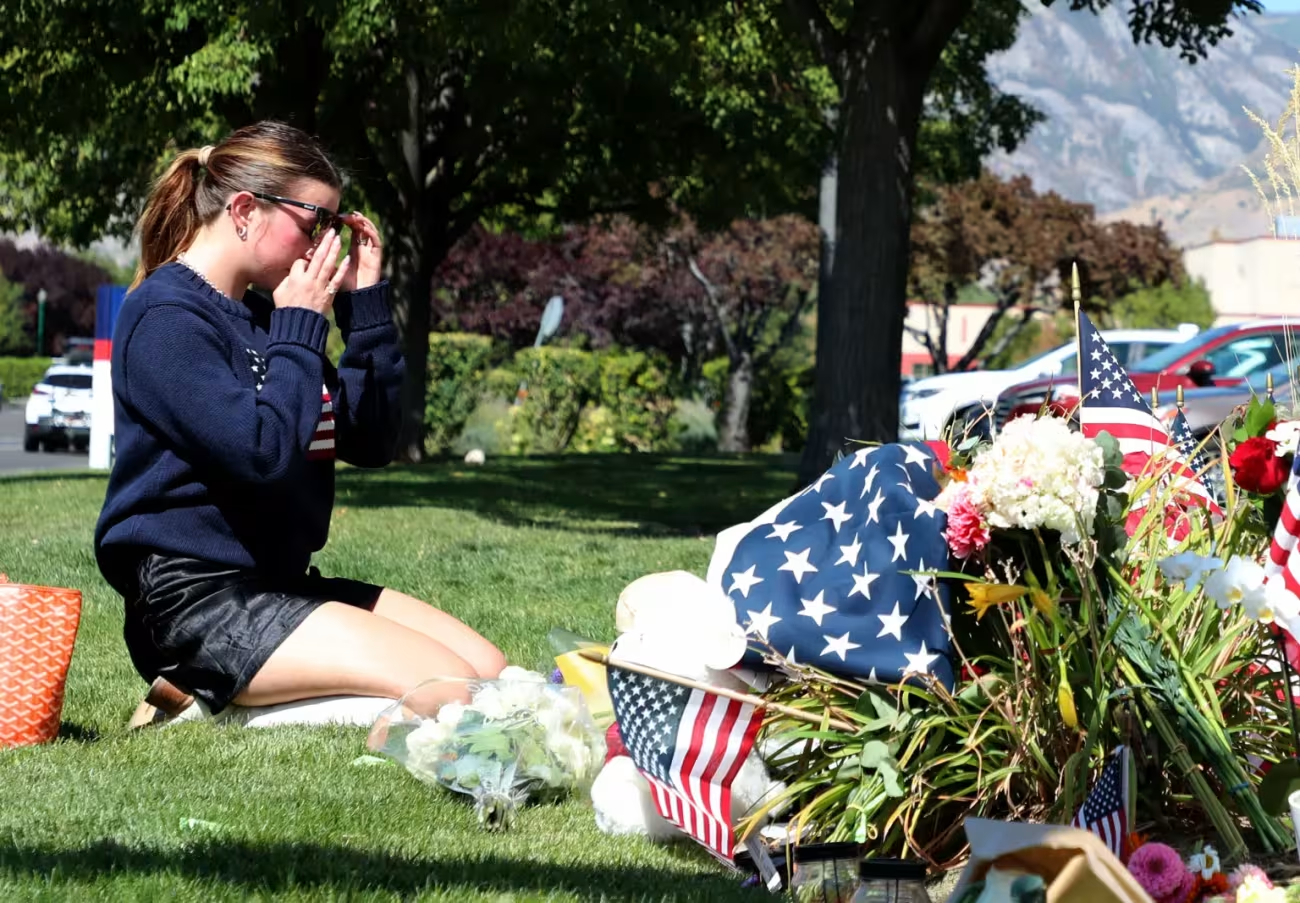
Tyler James Robinson is a 23-year-old Utah man accused of assassinating conservative activist Charlie Kirk during a public event at Utah Valley University on September 10, 2025. Robinson faces seven criminal charges, including aggravated murder, and prosecutors are seeking the death penalty. He has pleaded not guilty. On November 9, 2026, a Utah judge scheduled jury selection for June 21, 2028, setting the timetable for a closely watched criminal trial.
Who Is Tyler Robinson?
Tyler James Robinson is from Washington, Utah, and previously worked as an electrical apprentice. He was 22 years old when Kirk was killed and is 23 as of November 2026.
Robinson became the subject of a nationwide investigation following the shooting. He surrendered to authorities after his family encouraged him to come forward and was arrested on September 12, 2025.
Before the case, Robinson was not a nationally prominent public figure. His background, personal relationships and alleged political motivations have since become subjects of scrutiny as prosecutors and defense attorneys prepare for trial.
What Happened in the Charlie Kirk Shooting?
Charlie Kirk, the 31-year-old co-founder of Turning Point USA and a prominent supporter of President Donald Trump, was fatally shot on September 10, 2025, while participating in an outdoor political discussion at Utah Valley University in Orem, Utah.
Prosecutors allege that Robinson fired a rifle from the rooftop of a nearby university building, approximately 415 feet from where Kirk was speaking. The shooting occurred before an audience of several thousand people.
Kirk's death prompted a major law enforcement investigation. Following Robinson's arrest, Utah County prosecutors filed criminal charges on September 16, 2025.
What Charges Does Tyler Robinson Face?
Robinson faces seven criminal counts connected to Kirk's death and the subsequent investigation:
- Aggravated murder.
- Felony discharge of a firearm causing serious bodily injury.
- Two counts of obstruction of justice.
- Two counts of witness tampering.
- Commission of a violent offense in the presence of a child.
The aggravated murder allegation is a capital felony under Utah law. Prosecutors argue that the shooting also placed other people at substantial risk of death.
In September 2026, District Judge Tony Graf ruled that the prosecution had presented sufficient evidence for Robinson to stand trial on all seven charges. That decision allowed the case to proceed but did not establish his guilt.
What Was the Alleged Motive?
Prosecutors allege that Robinson targeted Kirk because of his political and social views, particularly his opposition to same-sex marriage and transgender rights.
Court filings describe electronic communications that prosecutors say support their theory. Investigators also reported recovering a rifle and ammunition bearing inscriptions that they believe are relevant to the shooting.
One message attributed to Robinson expressed frustration with what he perceived as Kirk's hateful rhetoric. Prosecutors have cited the alleged communication as evidence of a politically motivated attack.
However, Robinson's defense attorneys dispute the prosecution's explanation. They maintain that the available evidence does not establish that Robinson personally opposed Kirk's views in the manner alleged by prosecutors.
The motive remains contested and will be subject to examination during criminal proceedings.
Evidence in the Tyler Robinson Case
The prosecution's case involves physical evidence, surveillance material, forensic examinations and electronic communications. Investigators have sought to connect Robinson to the shooting through a combination of these findings.
Defense attorneys have questioned the interpretation and reliability of parts of the forensic evidence, including DNA findings and video material. They are also examining the prosecution's account of events and the circumstances surrounding the investigation.
The court has not yet determined whether the evidence proves Robinson committed the charged offenses beyond a reasonable doubt.
Tyler Robinson's Trial Scheduled for June 2028
On November 9, 2026, Judge Tony Graf announced that jury selection would begin on June 21, 2028, at the Fourth District Court in Provo, Utah. The court allocated 105 trial days, equivalent to 21 five-day court weeks, for the proceedings.
The schedule followed disagreements over how much preparation time would be necessary for a capital murder trial.
Robinson's attorneys requested a trial beginning in the third quarter of 2029. They argued that reviewing extensive evidence, consulting experts, investigating mitigating circumstances and preparing possible challenges to capital punishment would require substantial time.
Prosecutors proposed January 31, 2028, while Kirk's widow, Erika Kirk, requested a trial beginning no later than October 4, 2027.
Judge Graf selected a date between the competing proposals, emphasizing the need to protect constitutional rights while maintaining an orderly legal process.
Why Is the Trial Taking So Long?
The complexity of the case is a major factor in its extended timetable. Defense attorneys must review an unusually large volume of investigative material, including thousands of files and extensive digital evidence.
Additional preparation is necessary because prosecutors are pursuing the death penalty. Capital cases can involve separate considerations concerning both guilt and punishment, including investigations into circumstances that might influence sentencing.
The defense is also considering whether to request a change of venue because widespread publicity could affect the selection of an impartial jury.
The court has scheduled monthly pretrial status conferences and an April 11, 2028, hearing to evaluate whether the parties are prepared to proceed. Jury questionnaires are due May 3, 2028.
Erika Kirk's Response to the Trial Date
Erika Kirk, Charlie Kirk's widow, has advocated for a faster resolution of the criminal case. Through her attorneys, she argued that postponing the trial until 2029 would impose additional emotional and financial burdens on the family.
Following the November 9 ruling, Kirk's family expressed disappointment that the proceedings would not begin until 2028.
The family's position reflects its desire for a timely resolution, while the defense maintains that adequate preparation is essential to ensuring a fair trial in a case involving possible capital punishment.
Could Tyler Robinson Receive the Death Penalty?
Yes. Utah prosecutors are seeking capital punishment for the aggravated murder charge. If convicted, Robinson could face the death penalty, life imprisonment without parole, or a sentence of 25 years to life with the possibility of parole, depending on the applicable legal findings and sentencing outcome.
The defense is expected to challenge aspects of the capital prosecution and investigate mitigating evidence that could become relevant if a conviction occurs.
No determination of guilt or sentence has been made. Robinson remains legally presumed innocent unless prosecutors establish his guilt beyond a reasonable doubt.
What Happens Next?
As of November 10, 2026, the case is in its pretrial phase. The immediate priorities include reviewing evidence, resolving legal motions, evaluating potential venue issues and preparing for jury selection.
The next major scheduled milestones are the April 2028 readiness hearing and the beginning of jury selection on June 21, 2028. The timetable could change if the court grants further scheduling motions.
Robinson's trial will determine whether prosecutors can prove their allegations concerning Charlie Kirk's death. Until that process is completed, Robinson remains an accused defendant rather than a convicted killer.
- Log in to post comments