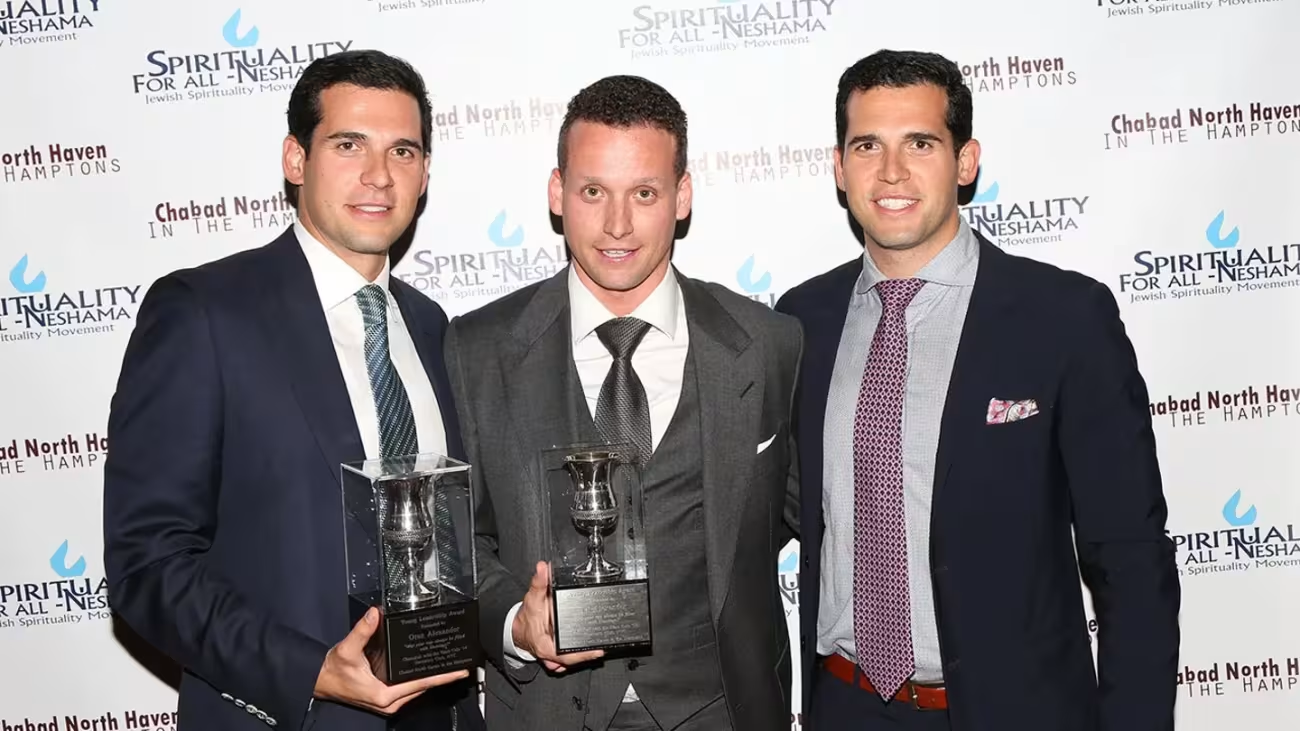
Oren Alexander, his twin brother Alon Alexander, and their older brother Tal Alexander have come under additional scrutiny following reports that their public relations team arranged payments to independent writers who covered their federal sex trafficking trial. The financial arrangements reportedly involved articles and social media posts presenting arguments favorable to the brothers while they were fighting criminal charges.
The controversy emerged after the three brothers were convicted of federal sex trafficking offenses in March 2026 and sentenced to 30 years in prison each on October 27. Their publicist acknowledged arranging financial support for independent coverage, while the writers involved disputed claims that they had been paid to produce favorable reporting or surrender editorial independence.
Payments to Independent Writers During the Trial
According to an investigation by The New York Times published on November 4, 2026, invoices reviewed by the newspaper showed requests for payments of $15,000 and $10,000 involving two independent writers, Daniel Mael and Frank Parlato.
The arrangements were coordinated through Juda Engelmayer, the brothers' publicist, and attorney Jason Goldman. The reported payments were intended to support coverage that would present the defense's perspective amid extensive negative publicity surrounding the criminal case.
Some of the resulting articles and online posts questioned the allegations made by women who accused the brothers of sexual assault. Others examined the prosecution's evidence and presented arguments supporting the defense.
Engelmayer confirmed that he paid Mael and knew that Goldman had been involved in the separate arrangement concerning Parlato. He defended the initiative, arguing that the brothers deserved coverage that examined the evidence and their legal arguments rather than relying exclusively on allegations against them.
However, the extent of the payments and the question of whether financial support influenced editorial decisions became disputed issues following the report.
Daniel Mael Acknowledges Financial Support but Denies Editorial Influence
Daniel Mael, a podcaster and Substack writer who regularly covered the Alexander brothers' trial, acknowledged receiving financial assistance from Engelmayer.
Mael said the contribution helped subsidize expenses associated with investigating and reporting on the case. He rejected the characterization that he had been hired to publish favorable articles or social media posts on behalf of the brothers.
He maintained that nobody requested favorable coverage, dictated his writing, or exercised editorial control over his reporting.
Mael also disputed suggestions that his work was intended to undermine the credibility of women who testified for the prosecution. He argued that his coverage reflected his own assessment of the available evidence and court proceedings.
His reporting was not uniformly favorable to the defense. In one trial recap, Mael described a text message from Alon Alexander referencing an encounter with a 17-year-old as particularly damaging evidence against the brothers.
Frank Parlato Also Defends His Independence
The second writer identified in the investigation was Frank Parlato, publisher of The Frank Report, an independent online publication.
Documents reviewed by The New York Times included a payment request of $10,000 associated with Parlato's coverage. His publication had previously featured articles questioning the allegations against the Alexander brothers and examining their defense arguments.
Parlato did not directly confirm whether he received the reported payment. He maintained that his reporting was independent and based on court documents and information he considered reliable.
He also stated that he had never spoken directly with the Alexander brothers and that nobody instructed him what to write or reviewed his articles before publication.
Goldman acknowledged that Parlato had invoiced him but said he could not recall whether he had personally made the payment.
Publicist Juda Engelmayer Defends the Media Strategy
Engelmayer argued that the Alexander brothers faced overwhelmingly negative media coverage before and during their trial, leaving little room for public examination of the defense's arguments.
He said he approached independent writers willing to investigate the case and present questions that he believed were receiving insufficient attention elsewhere.
Engelmayer described the financial arrangements as legitimate support for independent reporting rather than an attempt to dictate editorial conclusions.
Nevertheless, the disclosure raises questions about transparency when public relations representatives financially support journalists covering an active criminal case, particularly when the resulting coverage addresses allegations against the clients funding the broader media strategy.
Alexander Brothers' Sex Trafficking Convictions
The media controversy comes against the background of serious federal convictions involving all three brothers.
Oren and Tal Alexander previously built prominent careers in luxury real estate, working with wealthy clients in markets including New York and Miami. Alon was involved in the family's private security business.
Federal prosecutors alleged that the brothers participated in a yearslong sex trafficking operation between approximately 2008 and 2021. According to evidence presented at trial, they used their wealth, professional connections, social events, and luxury travel opportunities to attract women to private gatherings.
Prosecutors said the brothers and their associates repeatedly drugged, sexually assaulted, and raped women, including minors. Eleven women testified during the six-week trial, while prosecutors presented allegations involving at least 70 victims.
The defense argued that the sexual encounters were consensual and challenged the prosecution's interpretation of the evidence. All three brothers pleaded not guilty.
On March 9, 2026, a federal jury in Manhattan found Oren, Alon, and Tal Alexander guilty on all 10 counts, including conspiracy to commit sex trafficking and multiple federal sex offenses.
Each Brother Sentenced to 30 Years in Prison
On October 27, 2026, U.S. District Judge Valerie E. Caproni sentenced all three brothers to 30 years in federal prison.
The sentences followed a six-week trial in which prosecutors presented testimony from women who described being drugged and sexually assaulted. The judge also ordered each brother to serve 10 years of supervised release after completing their prison terms.
Oren, Alon, and Tal continued to deny the rape and sex trafficking allegations during their sentencing proceedings. They are expected to challenge their convictions through the appeals process.
Continuing Civil Litigation and Public Scrutiny
Beyond their federal convictions, the Alexander brothers continue to face civil litigation brought by women alleging sexual abuse.
The revelations about payments to independent writers have added another dimension to the case, highlighting how wealthy defendants can use public relations campaigns and outside media coverage to shape public discussion while facing criminal prosecution.
Although the writers maintain that their work remained independent, the disclosed financial arrangements have intensified scrutiny of the relationship between public relations funding and independent journalism.
The criminal proceedings have resulted in three 30-year prison sentences. Meanwhile, questions surrounding the brothers' media strategy and the extent of financial involvement in trial coverage continue to attract attention.
```
- Log in to post comments